

November 2026
The new rules in snack innovation Better snacking starts with the finished product, not the ingredient
Attribute to Dr Bryony Sayers, Food & Nutritional Scientist at ACI Group
The rules of snack innovation are changing. Consumers want better nutrition, but they are not prepared to sacrifice the taste, texture and enjoyment that make a snack a snack.
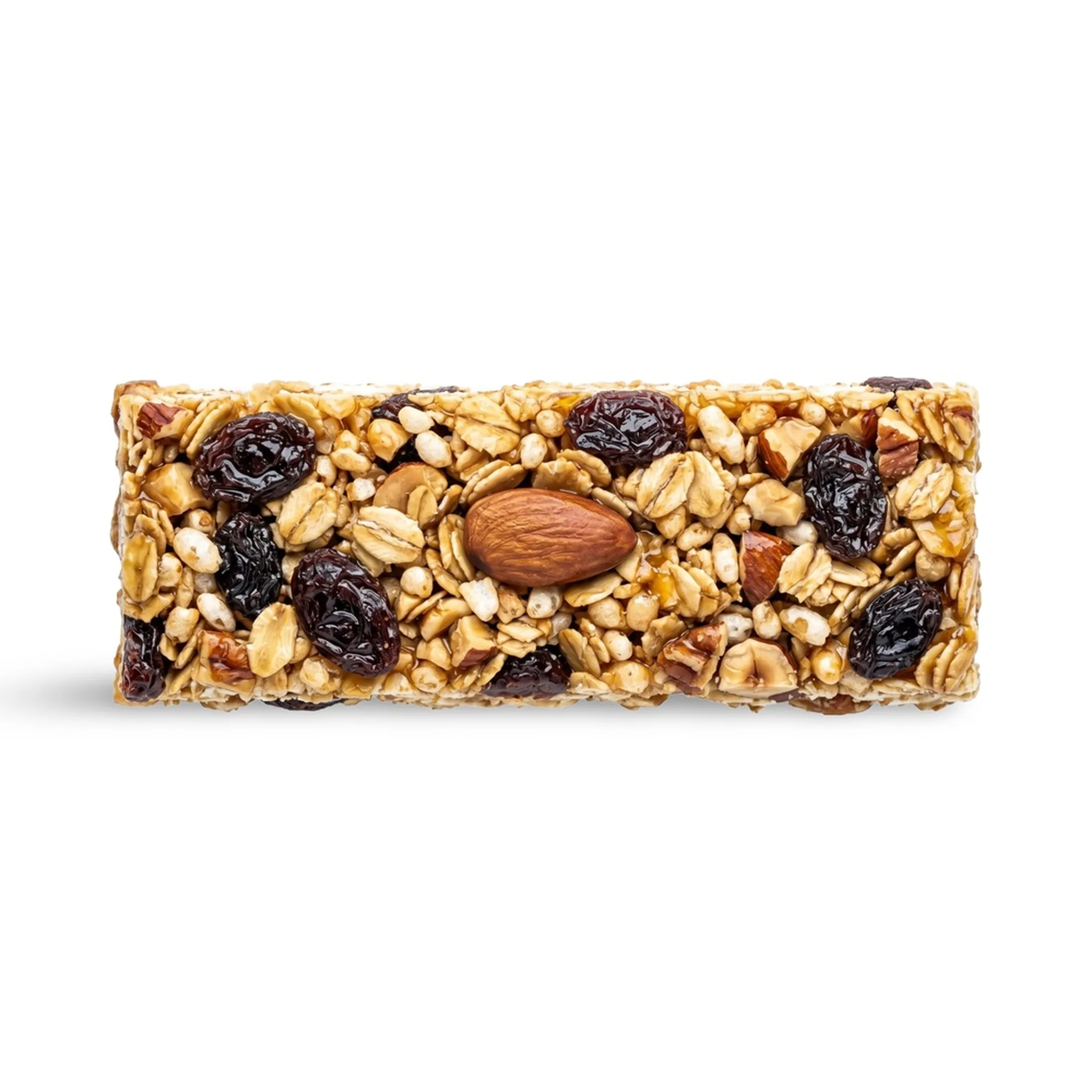
This was a major theme in the latest Positive Nutrition Broadcast Series 2026. The webinar highlighted several trends reshaping attitudes to food, including the growing use of GLP-1 weight management medications, which is prompting manufacturers to reconsider nutritional density, portion size, and the role of everyday snacks.
For manufacturers, this presents a familiar but complex challenge: how to improve nutritional value without compromising the taste, texture and overall appeal that consumers expect from snacks.
While higher protein and fibre, less sugar, recognisable ingredients and smaller portion sizes influence development, nutritional improvements count for little if a snack loses its familiar crunch, crispness or satisfying bite. For this reason, texture alongside flavour remains fundamental to consumer acceptance and repeat purchase.
The webinar highlighted how 6 trends are impacting changing attitudes to food, prompting manufacturers to carefully consider the nutritional value and portion sizes of everyday snacks.
1. Specialist ingredients for everyday snacks
Protein and fibre are increasingly moving beyond specialist sports nutrition and digestive health products to everyday food, beverage and snack choices. Consumers expect these items to contribute to their overall nutrition needs, rather than necessarily delivering on one specific health benefit.
The 2025 IFIC Food & Health Survey1 identified increased protein and fibre consumption alongside reduced sugar intake as important consumer priorities. These should not be seen in isolation. Although consumers may want a snack that offers more protein, contributes fibre, and contains less sugar, it must still provide the flavour and texture associated with an enjoyable treat. While this is a win/win for consumers, it can be a demanding formulation exercise for brands.
2. The technical challenges of reformulation
Increasing protein purely to lift the protein content of a snack can result in altered mouthfeel, structure and flavour of a product particularly in products where a crisp or light texture is central to the consumer experience.
While fibre contributes to nutritional quality and digestive health, it can have a marked effect on product structure and moisture content in a product.
Sugar reduction brings its own set of challenges to the table. It contributes more than sweetness in formulation, influencing bulk, browning, texture and overall product stability. These impacts show why developers cannot approach reformulation as a series of independent nutritional adjustments. Each ingredient must be assessed for its interaction with other ingredients and how it affects the finished product. Additionally, ingredient familiarity remains important. Consumers want to know what they are eating and pay attention to ingredient information and labels.
But clean label formulation is not necessarily just about the shortest ingredient list. It must show recognisable ingredients with a functional purpose in the formulation. For brands, this means making informed choices about ingredients that deliver sensory qualities people value, while maintaining consumer confidence.
3. GLP-1 prompting a rethink of portions & product purpose
The growing use of GLP-1 medications adds another dimension to the snacks conversation. Changes in appetite and food intake raise questions about the nutritional value of smaller eating occasions and the role of portion size in product development.
It would be premature to assume that everyone using these medications has the same dietary needs or preferences. However, the broader discussion around satiety, nutritional density, and portion control is relevant to the category's future.
The webinar's discussion of smaller packs, recognisable ingredients and a more straightforward approach to improving food quality offered a useful counterpoint to the industry's tendency to pursue increasingly elaborate nutritional solutions. It was noted that sometimes, meaningful improvements can come from reconsidering existing formulations and making better use of familiar ingredients.
Portion size deserves particular attention. A smaller pack can provide a more considered eating occasion without requiring manufacturers to fundamentally change the character of a familiar snack. Equally, improving nutritional quality does not always require adding multiple functional ingredients. Sensible adjustments to the existing formulation may offer a more effective route, provided the nutritional objectives and finished-product performance are properly evaluated.
4. Gut health offers more nutritional opportunities
Growing interest in gut health is also influencing how consumers view everyday snacks. Digestive wellness is no longer confined to supplements or products that target digestive health; it's part of everyday nutrition.
With fibre, the distinction between evidence-based nutritional benefits and overstated health claims is critical. Research into the gut microbiome continues to develop our understanding of the relationship between dietary fibre, digestive function and wider metabolic health. Select fibres have been studied for their effects on satiety and post-meal blood glucose response, but outcomes depend on the fibre type, dose and application.
While dietary fibres have different properties and physiological effects, they influence moisture content, flavour, bite and mouthfeel in formulations. Understanding these interactions is essential to achieving the right balance between nutritional value and sensory performance.
5. Indulgence & texture still determine success
For all the attention given to nutritional improvements, enjoyment remains central to consumer choice. A product may meet its protein target, deliver additional fibre and achieve a lower sugar level, but those improvements will count for very little if the result is dry, dense, overly sweet or unfamiliar in texture.
Crunch, crispness, bite and mouthfeel are a fundamental part of the eating experience. A cloying texture, teeth compaction or an unpleasant aftertaste can undermine an otherwise well-formulated product, regardless of nutritional credentials.
Manufacturers therefore need to resist treating sensory performance as something to address only when the nutritional targets have been met. It needs to be considered from the outset along with ingredient selection and the formulation strategy.
6. Start with the finished product, not the individual ingredient
By considering the initial product brief, brands can establish nutritional targets, manage expectations for taste, texture, shelf life and cost for the intended consumer. Ingredient selection should always follow from that assessment, with each proposed change evaluated for its effect on wider formulation.
Bench trials are also an important starting point, but performance also needs to be assessed under production conditions. Ingredients that work in lab formulations can behave differently at scale, while changes to moisture, structure or fat content can influence stability throughout shelf life. Texture should be evaluated over time as a snack that delivers the right crunch may not retain it throughout its shelf life. These checks are a good way to inform product development decisions from the outset.
At ACI Group, we believe there is a great future for the snacks industry and brands that can make nutritional improvements without compromising the characteristics consumers value.
For more information or to chat with our team of formulation experts to support your next snack product development, visit www.acigroup.biz.
Source:
1,2 Source: International Food Information Council, 2025 Food & Health Survey.