
Data Logger
A data logger is an electronic device designed to automatically monitor, record, and store environmental or process-related data over time. Used across a wide range of industries, it provides reliable, continuous measurement of key parameters such as temperature, humidity, pressure, and more.
| Packaging |
|---|
| - |
Category
Sectors
Pharma
:quality(80))
:quality(80))
:quality(80))
:quality(80))
What is Data Logger
Data loggers are compact, versatile instruments that capture and store data at defined intervals without the need for constant human supervision. They are commonly used in both indoor and outdoor environments, offering high levels of accuracy and reliability for monitoring conditions over extended periods.
These devices can be configured to record various parameters including temperature, humidity, voltage, current, pressure, and light levels. Many models feature internal memory, battery-powered operation, and easy data transfer via USB, Bluetooth, or cloud-based platforms. This makes them ideal for both temporary measurements and long-term monitoring applications.
Advanced data loggers also include programmable alarms, real-time data tracking, and integration with analytical software, enabling users to identify trends, ensure compliance, and optimise processes. Whether for quality control, regulatory compliance, or research, data loggers provide critical insights that support informed decision-making.

- Monitoring Equipment
- Temperature Control
- Data Logging
- Compliance
- Environmental Monitoring
- Industrial
- Quality Assurance
- Wireless Monitoring
Applications & Functionalities
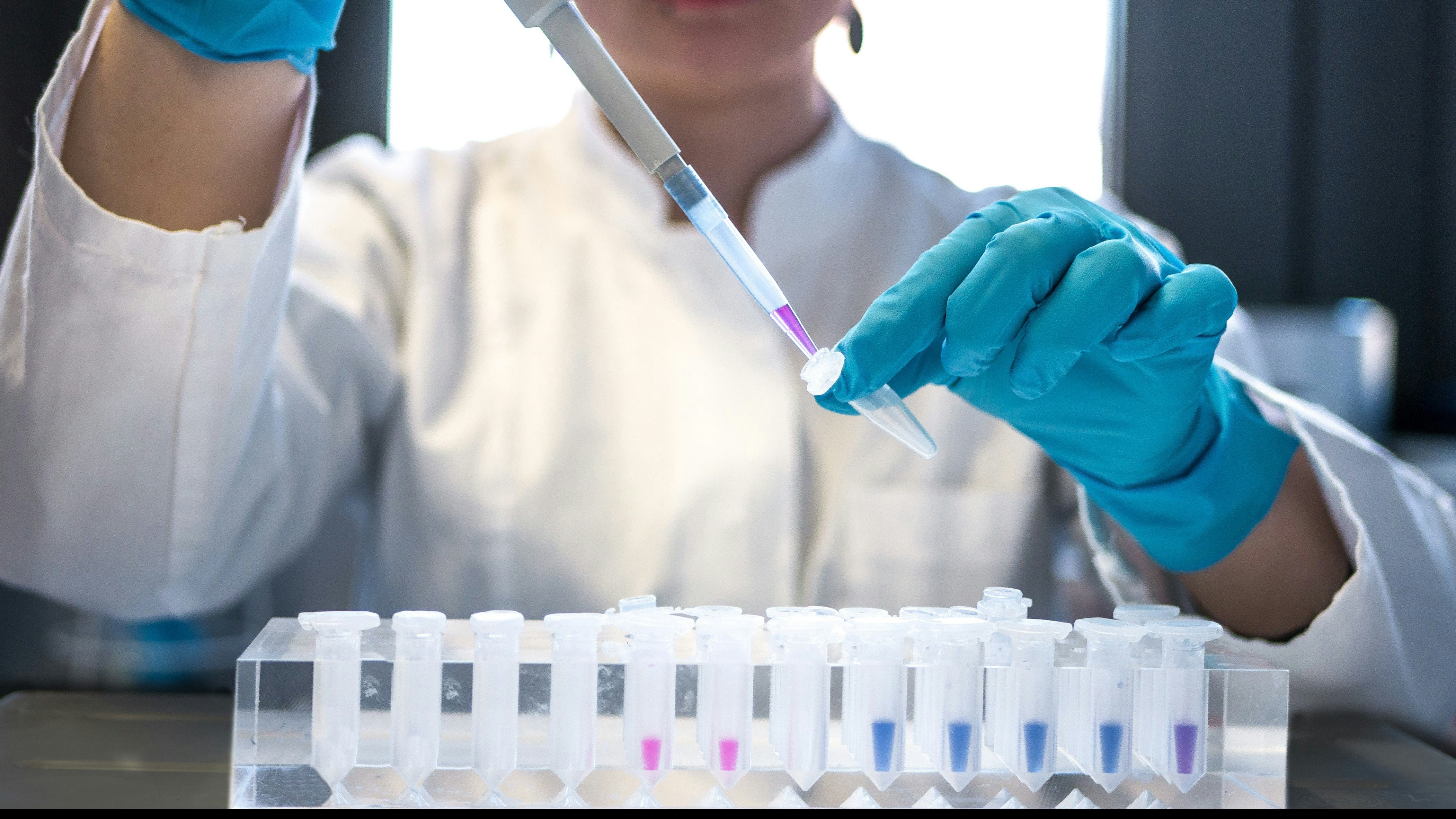
Data loggers are widely used to monitor environmental and operational conditions across diverse industries. In food production and storage, they help ensure temperature and humidity remain within safe limits, supporting compliance with food safety standards. In laboratories and research environments, they provide precise measurements critical for experiments and validation processes. Key functionalities include continuous automatic recording, programmable sampling intervals, and secure data storage. Many data loggers offer real-time monitoring capabilities, remote access via wireless connectivity, and alert systems that notify users if parameters exceed defined thresholds. Additionally, they support data export and analysis, allowing businesses to track trends, identify inefficiencies, and maintain audit-ready records. These features make data loggers essential tools for improving operational efficiency, maintaining product quality, and ensuring regulatory compliance.
Data loggers are widely used to monitor environmental and operational conditions across diverse industries. In food production and storage, they help ensure temperature and humidity remain within safe limits, supporting compliance with food safety standards. In laboratories and research environments, they provide precise measurements critical for experiments and validation processes. Key functionalities include continuous automatic recording, programmable sampling intervals, and secure data storage. Many data loggers offer real-time monitoring capabilities, remote access via wireless connectivity, and alert systems that notify users if parameters exceed defined thresholds. Additionally, they support data export and analysis, allowing businesses to track trends, identify inefficiencies, and maintain audit-ready records. These features make data loggers essential tools for improving operational efficiency, maintaining product quality, and ensuring regulatory compliance.
Data loggers are widely used to monitor environmental and operational conditions across diverse industries. In food production and storage, they help ensure temperature and humidity remain within safe limits, supporting compliance with food safety standards. In laboratories and research environments, they provide precise measurements critical for experiments and validation processes. Key functionalities include continuous automatic recording, programmable sampling intervals, and secure data storage. Many data loggers offer real-time monitoring capabilities, remote access via wireless connectivity, and alert systems that notify users if parameters exceed defined thresholds. Additionally, they support data export and analysis, allowing businesses to track trends, identify inefficiencies, and maintain audit-ready records. These features make data loggers essential tools for improving operational efficiency, maintaining product quality, and ensuring regulatory compliance.
Common applications include:
- Temperature monitoring
- cold chain logistics
- HVAC systems
- laboratory research
- food storage and processing
- environmental monitoring
- pharmaceutical storage
- industrial process control.
Need specialist support? Let's talk
Speak to one of our specialist team and get the expert support you need.
Get in Touch:quality(80))